AI Skills for Marketing
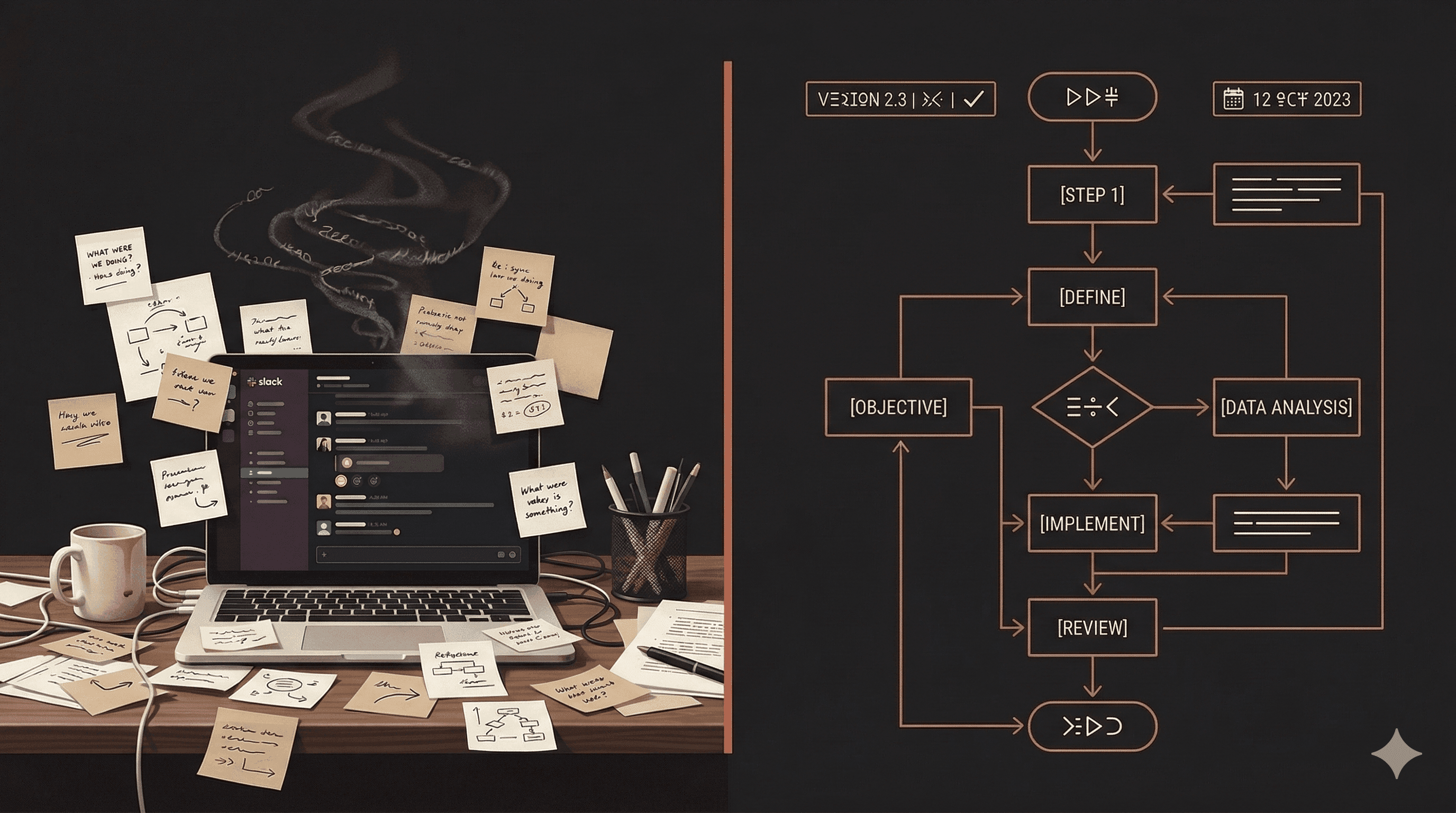
Every marketing team has the same problem: your best writer produces incredible content, but that quality does not scale. New team members take months to internalize the brand voice. Freelancers need extensive briefing. And when you are producing content across six channels, consistency breaks down.
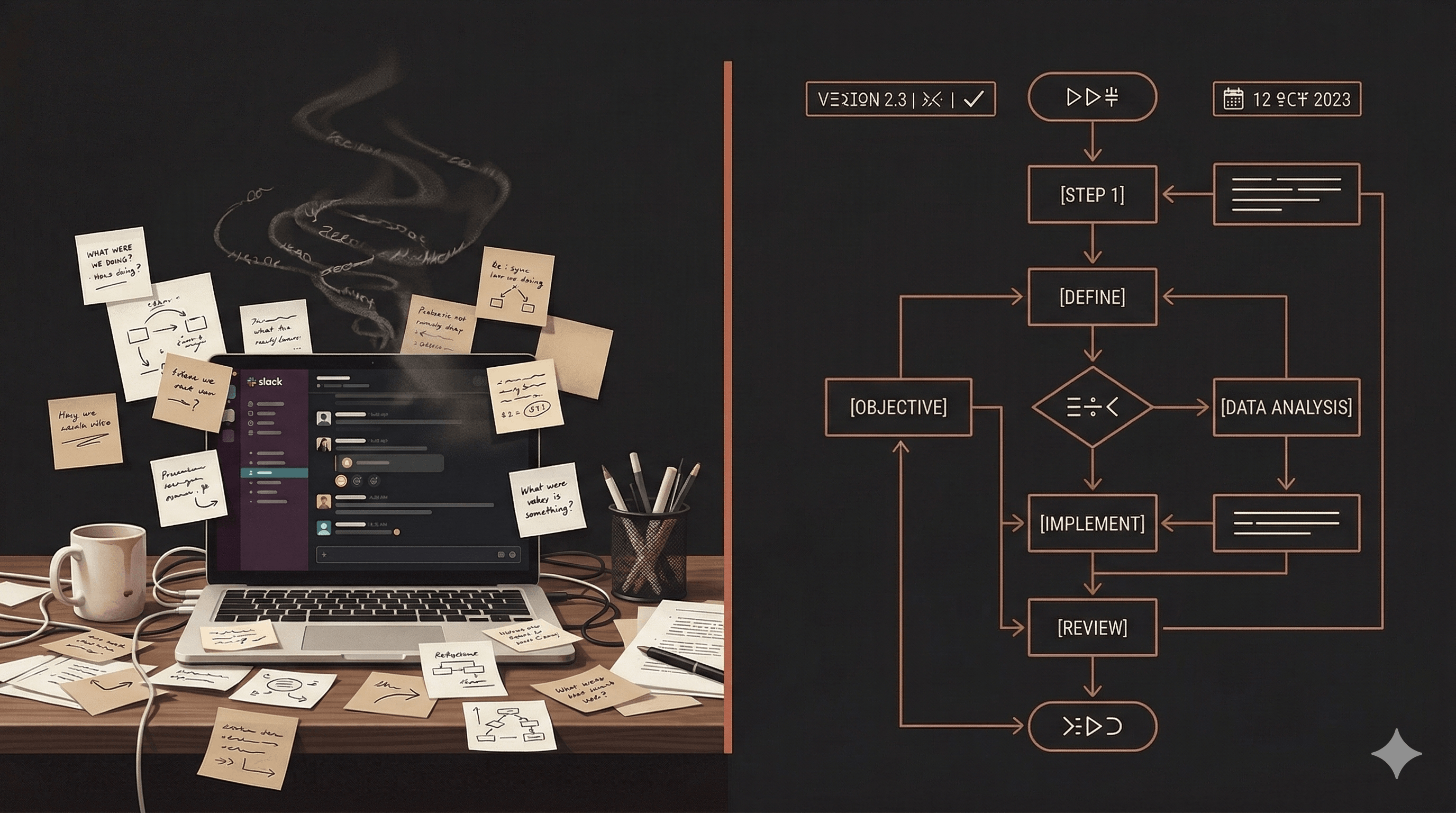
AI skills solve this by encoding what your best marketer knows — your brand voice, your audience insights, your campaign frameworks, your content standards — into reusable packages that any AI tool can apply.
The brand consistency problem
Marketing teams typically manage:
- 3-5 social media channels, each with different content formats
- Email campaigns with segmented audiences
- Blog content targeting different buyer personas
- Ad copy across multiple platforms
- Sales enablement materials
- Internal communications
Each channel needs content that sounds unmistakably like your brand. Without skills, you get one of two outcomes:
- One person becomes the bottleneck — everything routes through your best writer, creating delays
- Quality varies wildly — different team members produce content that sounds like different brands
What a brand-voice skill captures
A brand voice skill is not just a style guide. It is an operational document that tells AI exactly how to write as your brand:
BRAND VOICE ANALYSIS: [Your Company]
━━━━━━━━━━━━━━━━━━━━━━━━━━━━━━━━━━━━━━━━

CORE VOICE ATTRIBUTES:
• Confident but not arrogant
• Technical but accessible
• Direct — lead with value, not context
• Human — contractions OK, jargon minimal

VOCABULARY:
✓ Use: "build," "ship," "scale," "teams"
✗ Avoid: "leverage," "synergy," "disrupt,"
  "revolutionary," "game-changing"

SENTENCE STRUCTURE:
• Lead with benefit, not feature
• Max 20 words per sentence (social)
• Max 25 words per sentence (blog)
• Active voice always — passive never

CHANNEL ADAPTATIONS:
LinkedIn: Professional but warm. Open with
  insight, not promotion. Include 1 question.
Twitter/X: Punchy. One idea per post. Thread
  for depth. No hashtag spam (max 2).
Email: Personal tone. First name in subject
  when possible. One CTA per email.
Blog: Teach first, sell second. Use headers
  every 200-300 words. Include examples.

AUDIENCE PERSONAS:
[Your specific personas with voice adjustments
for each — technical buyer gets more depth,
executive buyer gets more ROI language]
When a team member asks AI to "write a LinkedIn post about our new feature," the skill automatically applies all of these rules. The output sounds like your brand, not like generic AI.
Example: Campaign brief skill in action
Campaign briefs are another area where skills eliminate inconsistency. Every brief should capture the same information in the same format, but without a skill, each marketing manager structures them differently.
Without a skill: "Create a campaign brief for our product launch."
You get a generic template that misses your specific requirements — no budget framework, no channel allocation logic, no performance benchmarks.
With a campaign-brief skill:
CAMPAIGN BRIEF: Q2 Product Launch
Framework: [Your Company] Standard Brief v3
━━━━━━━━━━━━━━━━━━━━━━━━━━━━━━━━━━━━━━━━

OBJECTIVE:
Drive 500 qualified demo requests in 6 weeks
(Benchmark: Q1 launch achieved 380)

TARGET AUDIENCE:
Primary: VP Engineering at Series B-D startups
Secondary: DevOps leads at enterprise (1000+)
[Per your ICP documentation, updated Q1 2026]

MESSAGING HIERARCHY:
1. Lead: 40% faster deployment (proof point)
2. Support: SOC 2 compliant out of the box
3. Differentiator: No-code setup (vs. competitor
   requiring 2-week integration)

CHANNEL ALLOCATION (per your standard mix):
• Paid Social (LinkedIn): 35% of budget
  → Lead gen forms, not landing page traffic
• Content/SEO: 25% of budget
  → 3 blog posts, 1 comparison page, 1 guide
• Email (existing list): 20% of budget
  → 4-email nurture sequence, segment by role
• Events/Webinar: 20% of budget
  → 1 launch webinar, 2 partner co-markets

TIMELINE:
Week 1-2: Content production + creative
Week 3: Soft launch to existing customers
Week 4-6: Full launch, paid amplification

SUCCESS METRICS (per your dashboard):
→ Demo requests: 500 (primary)
→ MQL to SQL conversion: >25%
→ Cost per demo request: <$150
→ Content engagement rate: >3.5%

DEPENDENCIES:
⚠ Product team: Feature screenshots by 03/25
⚠ Sales: Updated demo script by 03/28
⚠ Legal: Competitive claim review by 03/22
The skill knows your brief format, your standard channel allocation ratios, your benchmark data, and your approval workflows. Every campaign starts with the same quality foundation.
Skills vs. prompt templates
Marketing teams often start with prompt templates — saved prompts they copy and paste. Here is why skills are fundamentally different:
| Aspect | Prompt template | AI skill |
|---|---|---|
| Storage | Google Doc or Notion | Embedded in your AI tool |
| Activation | Manual copy-paste | Automatic when relevant |
| Context | Static text | Dynamic — adapts to the specific request |
| Maintenance | Someone remembers to update | Version-controlled, single source of truth |
| Consistency | Depends on who copies it | Same output quality every time |
| Portability | One AI tool | Works across Claude, ChatGPT, Cursor, etc. |
Prompt templates are a step in the right direction. Skills are the destination.
Common marketing skill categories
Marketing teams typically build skills in these areas:
Content creation
- Brand voice enforcement across channels
- Blog post frameworks with SEO requirements
- Social media content generation by platform
- Email copy with segmentation rules
Campaign management
- Campaign brief generation
- Channel allocation frameworks
- A/B test hypothesis generation
- Performance reporting templates
Strategy and analysis
- Competitive analysis frameworks
- Audience persona development
- Content calendar planning
- Market positioning exercises
Sales enablement
- Case study formatting
- Battlecard creation
- Demo script generation
- Proposal content blocks
Building your first marketing skill
Start with your biggest consistency problem. For most teams, that is brand voice.
Step 1: Audit your best content
Collect 10-15 examples of content that perfectly represents your brand. Look for patterns in:
- Sentence length and structure
- Word choice and vocabulary
- Tone shifts between channels
- How you handle CTAs
- What you never say
Step 2: Create a brand-voice skill
---
name: "brand-voice-guide"
description: "Enforces [Company] brand voice across all
content. Use whenever creating marketing content, social
posts, emails, or sales materials."
---

# [Company] Brand Voice

## Voice attributes
[Your specific attributes from the audit]

## Vocabulary rules
[Words to use, words to avoid]

## Channel-specific rules
[How voice adapts per channel]

## Examples
### Good example (LinkedIn)
[Real example of on-brand content]

### Bad example (LinkedIn)
[Real example of off-brand content with explanation]
Step 3: Test with your team
Have 3 different team members use the skill to create the same type of content. Compare the output. If it all sounds like your brand, the skill is working.
Step 4: Iterate
Skills are not set-and-forget. Update them when:
- Your brand voice evolves
- You add new channels
- You find common AI output patterns you want to correct
- Performance data shows what content resonates
Measuring skill impact
Track these metrics to quantify the value of marketing skills:
- Content production time: How long does it take from brief to published? Skills typically reduce this by 40-60%
- Revision cycles: How many rounds of edits before content is approved? Skills should reduce this to 1-2 rounds
- Brand consistency score: Rate random content samples for voice adherence. Skills should lift scores across the team
- New hire ramp time: How quickly can new team members produce on-brand content? Skills compress this from months to days
- Output volume: With consistency handled by skills, your team can produce more content without quality degradation
Getting started
- Browse existing marketing skills in the marketing marketplace — brand voice, content creation, and campaign skills are available
- Clone and customize — start with an existing skill and adapt it to your brand standards
- Create your brand voice skill — this is the highest-impact first skill for any marketing team
- Connect to your AI tools using the setup guide — your team starts using skills immediately
The goal is not to replace your marketing team's creativity. It is to make sure the foundational work — voice consistency, brief structure, content formatting — is handled perfectly every time, freeing your team to focus on strategy and innovation.