What Makes a Great AI Skill
Not all skills are created equal. The difference between a skill that produces mediocre results and one that consistently delivers professional-quality output comes down to a few key principles.
The Five Pillars of a Great Skill
1. Clear, Specific Instructions
Great skills don't say "write a good email." They say "write a follow-up email that references the prospect's specific pain point from the discovery call, proposes a concrete next step with a date, and keeps the total length under 150 words."
Specificity eliminates ambiguity. Ambiguity produces inconsistency.
2. Structured Procedures
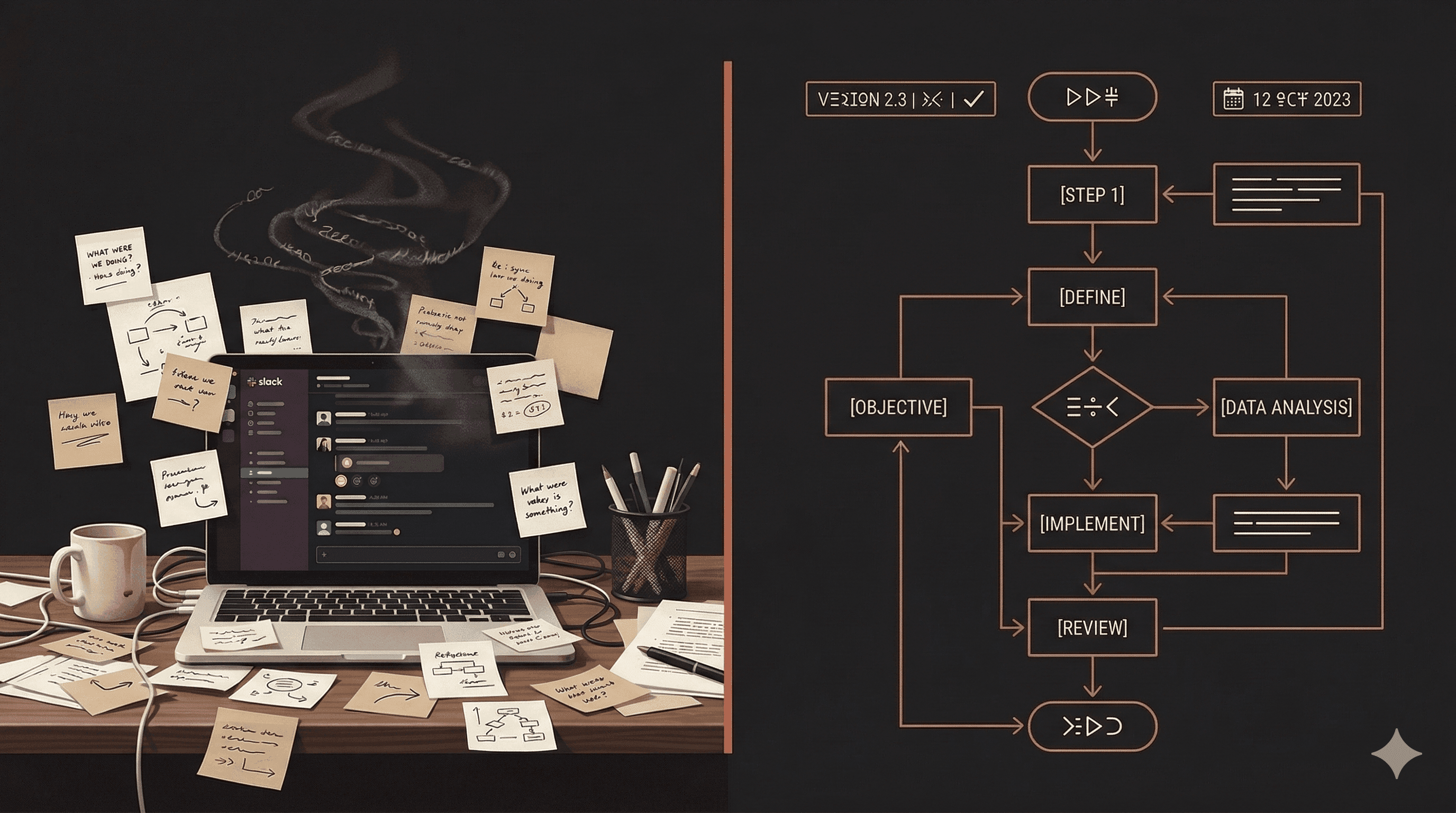
The best skills encode step-by-step procedures, not general guidance. Think of it as the difference between a recipe and a suggestion to "make something delicious."
A structured procedure might look like:
- Extract the key data points from the input
- Cross-reference against the criteria in the rules section
- Generate the primary output following the template
- Run the validation checks
- Format the final output
3. Domain-Specific Knowledge
Skills should encode knowledge that the base AI model doesn't have — your company's terminology, your industry's regulations, your team's preferences.
This is where skills create the most value. The AI already knows how to write; it doesn't know your specific compliance requirements or your brand voice.
4. Validation Rules
Every great skill includes quality checks. These catch the errors that even good AI output can contain:
- Are all required fields present?
- Do numerical values fall within expected ranges?
- Does the output match the required format?
- Are there any contradictions in the generated content?
5. Examples
Include 2-3 input/output examples in your skill. Examples are the most powerful calibration tool available — they show the AI exactly what "good" looks like in your context.
Common Mistakes to Avoid
Too vague. "Write great content" is not a skill — it's a wish. Be specific about format, length, tone, and structure.
Too rigid. Skills should guide the AI, not constrain it into a mad-lib. Leave room for the model to apply judgment where appropriate.
No validation. If your skill doesn't check its own output, you're just creating a fancier prompt. Add quality gates.
Ignoring edge cases. The skill should handle the 80% case well and gracefully acknowledge when it encounters something outside its scope.
Getting Started
Ready to build your first skill? Head to the Create Guide for a step-by-step walkthrough, or browse the Marketplace to see great skills in action.