What Are Agent Skills? The Complete Guide
Every organization has people who are exceptional at their jobs. The billing specialist who knows exactly which denial codes to escalate and which to resubmit. The marketing director who can review any piece of content and instantly flag what's off-brand. The sales engineer who knows the precise questions to ask in a discovery call.
Their expertise isn't just knowledge — it's judgment. It's knowing which rules apply when, which exceptions matter, and which edge cases trip everyone else up.
Agent skills are how you teach that judgment to AI.
Definition: What Is an Agent Skill?
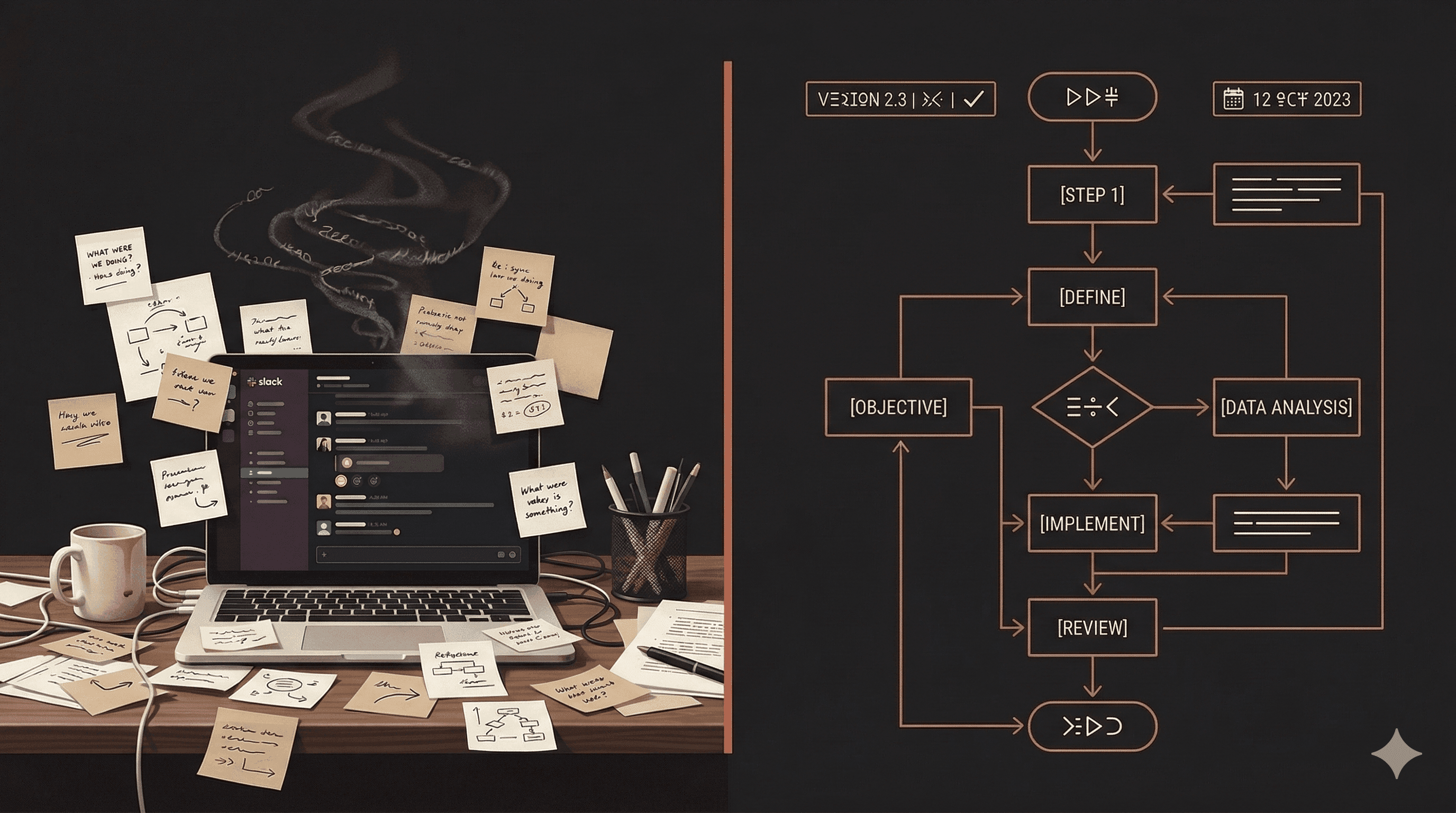
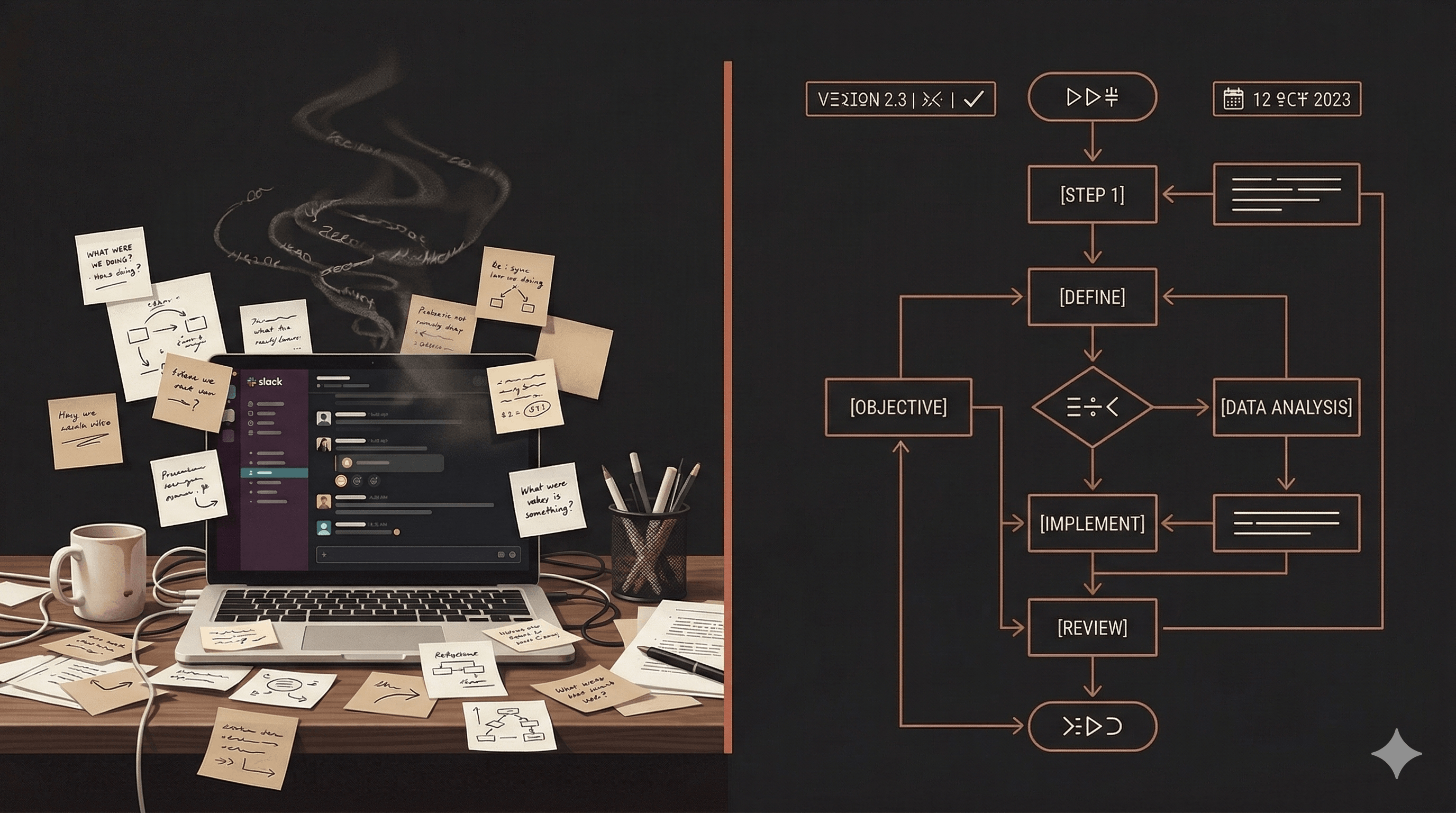
An agent skill is a portable, reusable intelligence package that teaches AI how to perform specialized work. Unlike a prompt (a one-time instruction) or fine-tuning (expensive model retraining), a skill is a structured document that contains everything an AI needs to work like your best employee:
- Procedures — Step-by-step workflows for specific tasks
- Decision logic — If-then rules, thresholds, and branching criteria
- Templates — Output formats, tone guidelines, and structural requirements
- Edge cases — The exceptions, gotchas, and institutional knowledge that only experienced people know
- Validation rules — How to check work before delivering it
Skills are written in plain English using a format called SKILL.md — a simple markdown file with structured sections. No code required.
How Skills Work: The 60-Second Version
Here's the lifecycle of a skill in practice:
1. You create the skill
You write (or generate) a SKILL.md file that captures your organization's expertise. For example, a brand voice skill might contain your tone guidelines, prohibited phrases, approved messaging frameworks, and examples of good and bad copy.
2. The skill connects via MCP
Skills are delivered through MCP (Model Context Protocol) servers — the open standard that lets AI tools connect to external knowledge and capabilities. You add a single URL to your AI tool, and all your skills become available.
3. AI loads the skill automatically
When you ask your AI a question, it recognizes which skill is relevant and loads it. Ask for a brand review, and the AI loads your brand voice skill. Ask about a claim denial, and it loads your denial management skill.
4. You get expert-level output
Instead of generic advice, you get answers that reflect your organization's specific procedures, standards, and institutional knowledge — every time, from any AI platform.
Skills vs. Prompts vs. Fine-Tuning
The most common question about skills: "How is this different from just writing a good prompt?"
The short answer: prompts are instructions you give once. Skills are expertise you encode permanently.
| Prompts | Skills | Fine-Tuning | |
|---|---|---|---|
| What it is | One-time text instruction | Structured knowledge package | Retraining the model itself |
| Persistence | Gone after the conversation | Permanent, loads automatically | Baked into model weights |
| Consistency | Different every time | Same judgment, every time | Consistent but inflexible |
| Portability | Tied to one conversation | Works across Claude, ChatGPT, Cursor, and any MCP tool | Locked to one model provider |
| Cost to create | Free (just typing) | Free (plain English, SKILL.md format) | $1,000s–$100,000s in compute and data |
| Cost to update | Re-type the whole thing | Edit the SKILL.md file | Retrain the entire model |
| Auditability | No paper trail | Version-controlled, reviewable | Black box |
| Who can create | Anyone | Anyone who knows the process | ML engineers only |
| Best for | Exploration, one-off tasks | Repeatable organizational processes | Changing model behavior at a fundamental level |
When prompts are enough
Prompts are great for exploration, brainstorming, and one-off tasks. If you're asking a question you'll only ask once, a prompt is perfect.
When you need a skill
You need a skill when:
- Multiple people need to get the same quality output (not just you)
- The task follows a repeatable process with known steps and decision points
- Consistency matters — different people shouldn't get different quality results
- You need an audit trail of what instructions the AI followed
- The expertise should survive employee turnover — when your best person leaves, the knowledge stays
When fine-tuning is the answer
Fine-tuning is appropriate when you need to change how the model thinks at a fundamental level — for example, teaching it a new language, a specialized vocabulary, or a completely novel reasoning pattern. For most business use cases, skills are faster, cheaper, and more maintainable.
Real Examples: Skills in Action
Healthcare: Denial Management
Without a skill: "This claim was denied. Review the denial reason, check coverage, and consider filing an appeal with supporting documentation."
With the denial-management-playbook skill: "Denial code CO-4: Missing prior authorization. File expedited appeal within 48 hours (your policy: always expedite CO-4). Use your PA retro-auth letter template. Payer is Aetna — fax to dedicated appeals line. Patient has 2 prior CO-4 overturns — cite precedent."
The skill knows your payer-specific procedures, your escalation policies, and your historical success patterns. Browse healthcare skills →
Marketing: Brand Review
Without a skill: "Ensure your brand voice is consistent. Define your tone and key messages. Align content with best practices."
With the brand-voice skill: "Voice alignment: ✓ Outcome-led headlines. CTA copy: ✓ Active verbs. Color usage: ⚠ Verify terracotta #CC785C is reserved for primary CTAs only. Tone: ✓ Calm confidence maintained. Recommendation: Lead subhead with relief, not category language (per rule #4)."
The skill knows your specific brand guidelines, color rules, and tone requirements. Browse marketing skills →
Sales: Discovery Call Prep
Without a skill: "Research the prospect, identify pain points, prepare open-ended questions. Use MEDDIC or BANT to qualify."
With the qualification-criteria skill: "Framework: MEDDIC (per your Stage 2 criteria). Priority questions: Economic buyer confirmation, $50K+ budget signal, 90-day timeline. Disqualification trigger: under $25K ACV or over 6-month timeline. Next steps: Confirm decision process before scheduling demo."
The skill knows your specific qualification framework, deal stage gates, and disqualification triggers. Browse sales skills →
Legal: Contract Review
Without a skill: "Review key clauses including indemnification, limitation of liability, termination, and IP. Ensure compliance with applicable laws."
With the vendor-contract-playbook skill: "Liability cap: $2M — below your $5M floor. Flag for negotiation. IP clause: ⚠ Work product assignment is mutual — your standard requires one-way. Auto-renewal: 2-year with 90-day notice — add to renewal calendar. Missing DPA addendum — required per your vendor onboarding checklist."
The skill knows your contract thresholds, standard terms, and compliance requirements. Browse legal skills →
The SKILL.md Format
Skills use a simple, open format called SKILL.md. Here's what one looks like:
---
name: "brand-voice-guidelines"
description: "Enforces brand voice, tone, and messaging
  standards for all content review and creation."
category: "Marketing"
tags:
  - brand-voice
  - content-review
  - style-guide
---
# Brand Voice Guidelines

## When to Use This Skill
Use this skill when reviewing or creating any customer-facing
content, including website copy, emails, social media posts,
and marketing collateral.

## Voice Principles
1. Lead with outcomes, not features
2. Use active verbs in all CTAs
3. Maintain calm confidence — no hype words
...

## Review Checklist
- [ ] Headline leads with customer benefit
- [ ] No prohibited phrases (see list below)
- [ ] Color usage follows brand palette rules
...
That's it. Plain English. Structured sections. No code.
You can create skills using:
- The visual skill builder — a no-code editor with live preview
- Clone and customize — start from any existing skill in the marketplace
- Plain text — write SKILL.md directly in any text editor
- AI-assisted — describe what you need and let AI generate the first draft
How Skills Connect to Your AI
Skills are delivered through MCP (Model Context Protocol) — the open standard created by Anthropic that lets AI tools connect to external knowledge and capabilities.
The setup takes 30 seconds:
- Copy one URL —
https://skills.agentman.ai/mcp - Paste it into your AI tool's MCP settings — works in Claude, ChatGPT, Cursor, Claude Code, and any MCP-compatible tool
- Start working — your AI automatically loads relevant skills when you ask questions
One URL. Every skill in your library. Every AI platform. Set up in 30 seconds →
Portability: Write Once, Use Everywhere
One of the most powerful properties of agent skills is portability. A skill you create works identically across:
- Claude (Anthropic)
- ChatGPT (OpenAI)
- Cursor and VS Code (code editors)
- Claude Code (terminal)
- Windsurf, Cline, and other MCP-compatible tools
- Agentman (agent platform)
Your team can use different AI tools and still get the same expert-level output, because the skill — not the model — defines the expertise.
This also means you're never locked into a single AI provider. If a better model launches tomorrow, your skills work with it immediately.
Who Creates Skills?
Skills are created by three groups:
Domain experts (business operators)
The people who have the expertise: healthcare administrators, marketing directors, sales leaders, legal counsel. They know the procedures and edge cases. The skill builder lets them encode that knowledge without writing code.
Developers and technical teams
Engineers who want to standardize code review practices, deployment checklists, architecture decision frameworks, or debugging procedures. Skills integrate directly into their existing AI-powered development tools.
Skill creators (the marketplace)
Domain experts who package their expertise as skills and sell them on the marketplace. A healthcare consultant can sell a denial management skill. A marketing agency can sell a brand voice framework. A sales trainer can sell a qualification methodology. Learn about selling skills →
Getting Started
Ready to try agent skills? Here are three paths:
Use existing skills (2 minutes)
Browse the skills marketplace — over 80 production-ready skills across healthcare, marketing, sales, legal, finance, and more. Connect to your AI tool and start using them immediately.
Create your first skill (10 minutes)
Open the skill builder, describe what you want your AI to know, and the editor generates a SKILL.md for you. Customize it, save it, and it's instantly available in your AI tools.
Explore the Learn hub
- Prompts vs. Skills: Why structured skills beat ad-hoc prompting
- What Makes a Great Skill
- Getting Started with AI Skills
Agent skills are the bridge between what AI knows generally and what your organization knows specifically. They're how you stop re-explaining your business to AI — and start having AI that already understands it.